Grade 80 vs Grade 100 Lifting Chain: Which One Do You Need?
Choosing lifting chain is not about picking the strongest-sounding grade. It is about matching the chain, its working load limit and its markings to the job, the rigging and the inspection regime you already run. This guide explains what the grades mean and how to choose between them.
What the grade number means
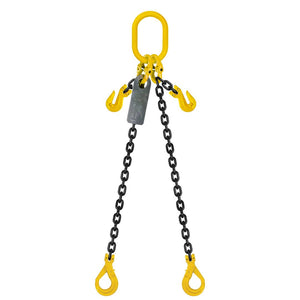
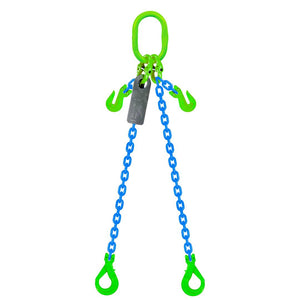
Chain grades describe the material strength of the chain. Grade 80 is a quenched and tempered alloy steel chain that is widely used for lifting, rigging and load restraint across Australian sites. Higher grades such as Grade 100 offer greater strength for the same chain size, which can allow a lighter, more compact rig for certain jobs.
The grade is not the figure you work to. The working load limit (WLL) is what matters on the job, and it is always stated on the chain, the connector or the sling assembly. Never rely on the grade alone.
Working load limit comes first
Before you compare grades, confirm three things:
- The working load limit marked on the component, and on the test certificate
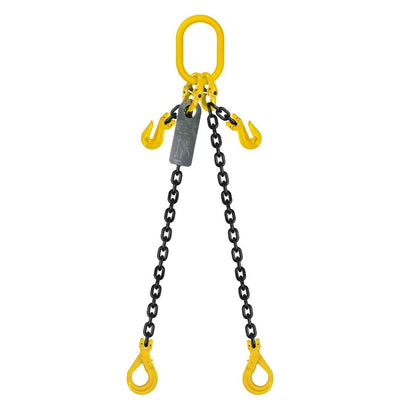
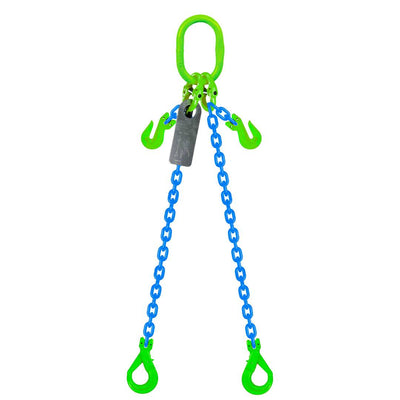
- The chain size and the configuration (single leg, two leg, three leg or four leg)
- The angle of the legs, because the WLL of a multi-leg sling drops as the angle increases
If the rig is going to be used at an angle, check the sling rating for that angle before you lift. A sling rated at 90 degrees is not rated for 60 degrees or 45 degrees.
When Grade 80 is the right choice
Grade 80 chain suits most everyday lifting, rigging and load restraint work. It is the standard for many crane, hoist and transport crews because it is:
- Widely stocked and easy to match to existing gear
- Compatible with the connectors and fittings in common use
- Simple to inspect against a known set of markings and records
If your gear register, inspection plan and existing rigging are built around Grade 80, changing grade mid-job creates more risk than it removes. Keep components matched within one system.
When a higher grade makes sense
A higher grade can be worth considering when:
- The lift needs a higher working load limit in the same chain size
- Space or weight limits the rig, and a smaller chain is needed
- You are specifying new equipment for a repeat, engineered lift
Any change of grade must be signed off against the lift plan, the lifting equipment specification and your site procedures. Do not mix grades in a sling leg or on a single rig unless the engineered design calls for it.
Check the markings every time
Before any chain goes on the hook, check:
- The grade and the WLL are legible
- Links are not stretched, nicked, cracked or worn
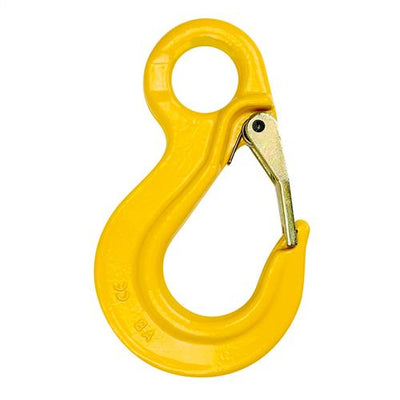
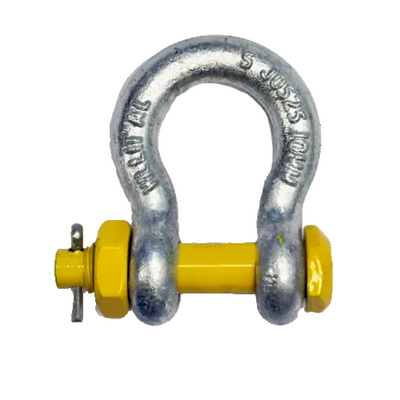
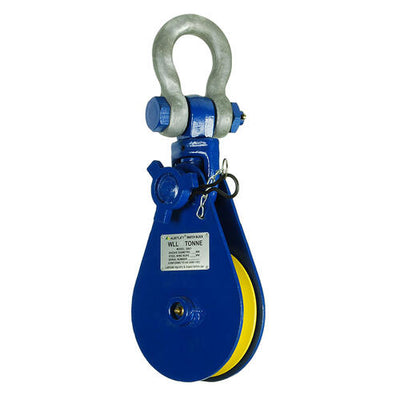
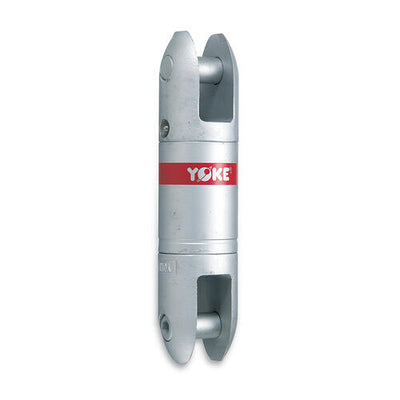
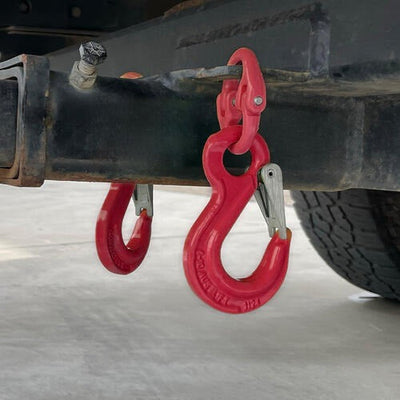
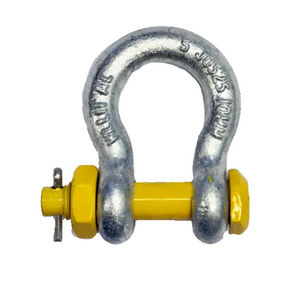
- Hooks, connectors and master links are the correct rating for the chain
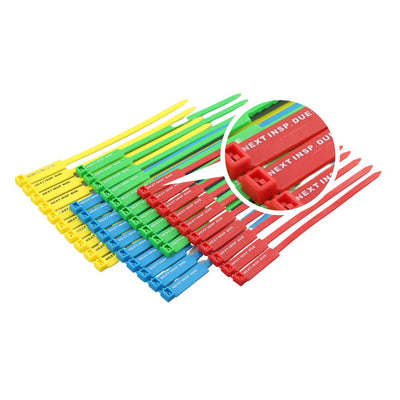
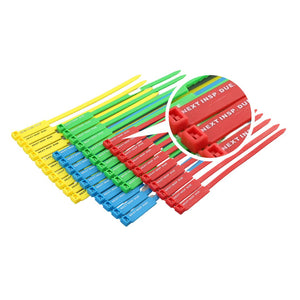
- The inspection due date is current
If you cannot read the markings, or the chain has been altered, take it out of service.
Keep the paperwork with the gear
A chain is only as useful as its record. Keep the test certificate and inspection history with each item, and make sure the inspection due date is visible. Our LIFTIQ equipment register is designed to keep those dates and certificates attached to each item, so a crew can check the record before the gear goes to work.
Need help choosing?
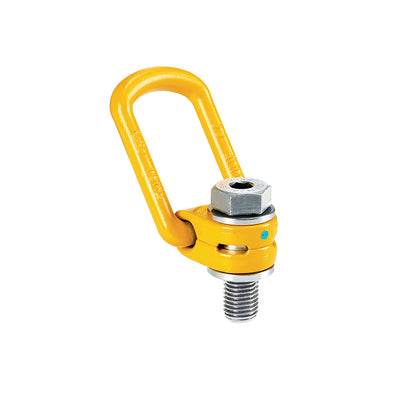
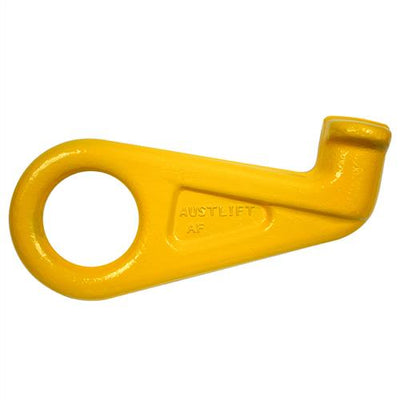
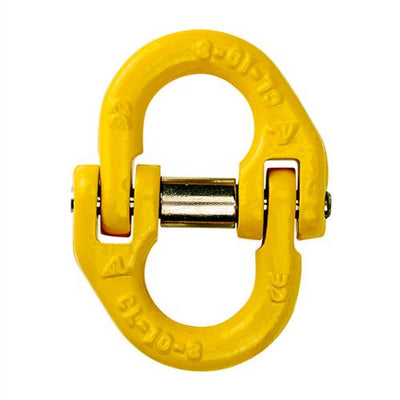
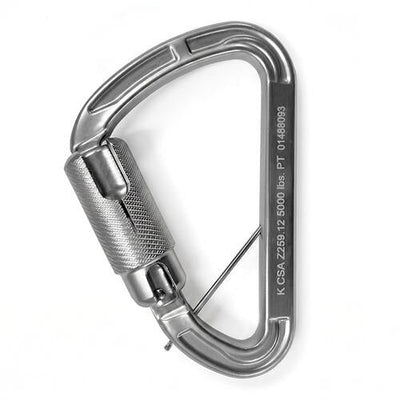
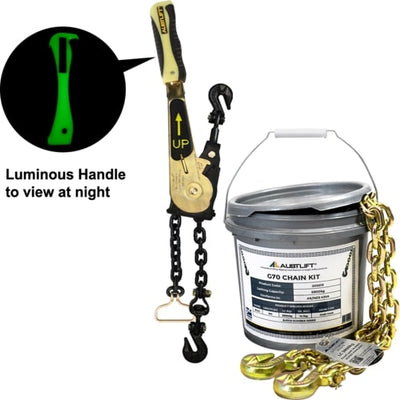
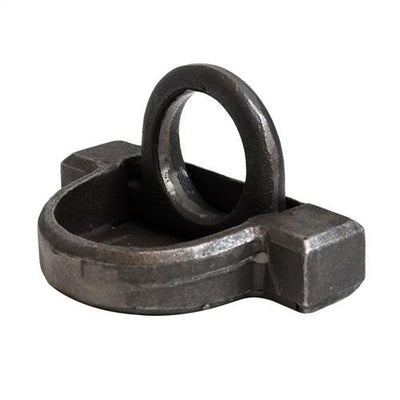
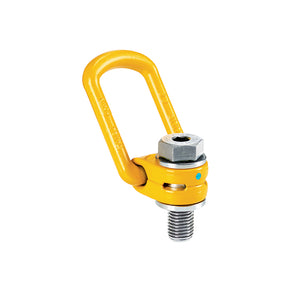
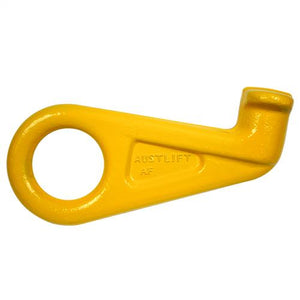
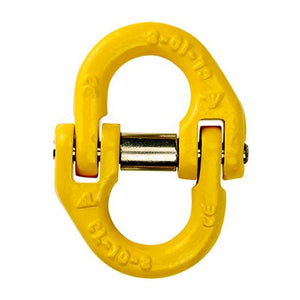
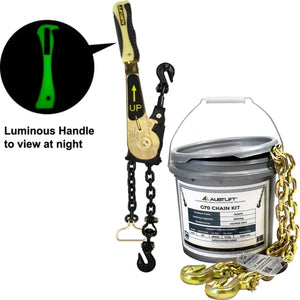
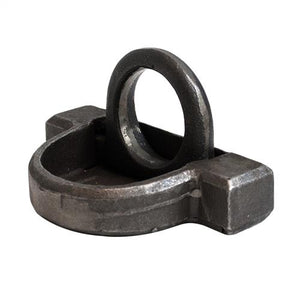
Browse our range of Grade 80 weld on lifting points and G80 chain connectors, or contact our team with your chain size, configuration and lift details. We deliver Australia-wide, and you can click and collect from our Sydney warehouse.
This guide is general information. Always follow the manufacturer's markings, your lift plan and the relevant Australian standards and site procedures.