Weld-On Lifting Points: How to Fit a Grade 80 Lifting Eye to Fabricated Steel
When a fabricated part needs to be lifted, a bolt-on eye is not always the right answer. A weld-on lifting point gives you a lifting eye built into the steel, so the crew can rig the load without improvised slings or shackles hung over a corner.
This guide covers when a weld-on lifting point makes sense, what to check before you weld, and how to keep the lift inspected and safe.
What a weld-on lifting point does
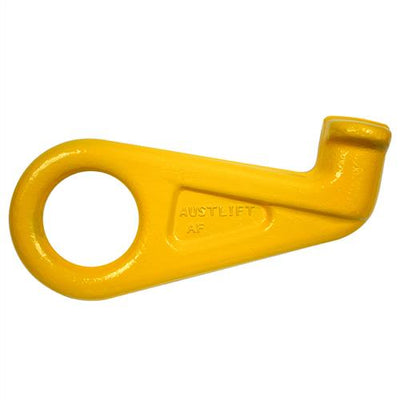
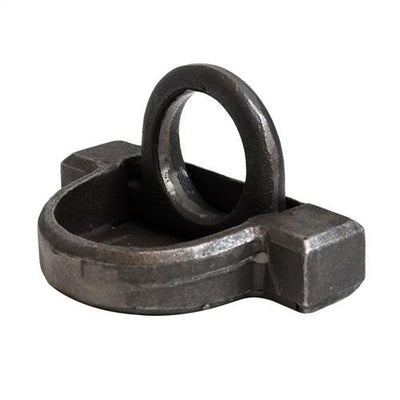
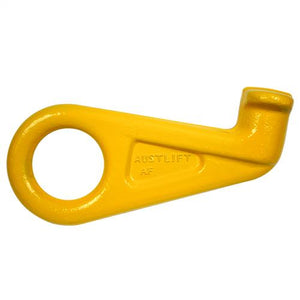
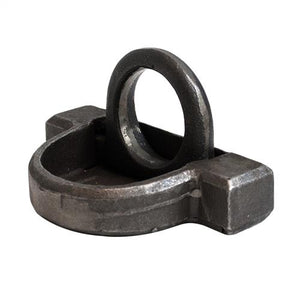
A weld-on lifting point is a steel fitting that you weld to fabricated steel to create a lifting eye. The compact type, such as the Grade 80 WPC, is designed for tight spaces where a larger lug will not fit.
The point is only as good as the steel it is welded to and the weld that holds it. That is why the fitting, the weld procedure and the lift plan all need to be right.
When to use a weld-on lifting point
Use one when:
- the part is fabricated in-house and has no existing lifting provision
- you need a repeatable lift point for the same component or frame
- bolt-on hardware would sit in the way or come loose under vibration
- the lift is part of a job that must pass inspection
If the part is a fixed installation, or the lift is a one-off with a heavy load, get the design checked by a competent person or engineer before you weld anything.
Check these before you weld
- Confirm the rated load. Know the working load limit for the point and the lift configuration, including the sling angle.
- Check the host steel. The parent metal must be suitable for welding and strong enough to carry the load into the structure.
- Plan the weld. Follow the fitting's weld requirements and use a qualified welder.
- Position it correctly. Place the point so the load pulls through the centre of the fitting, not across its edge.
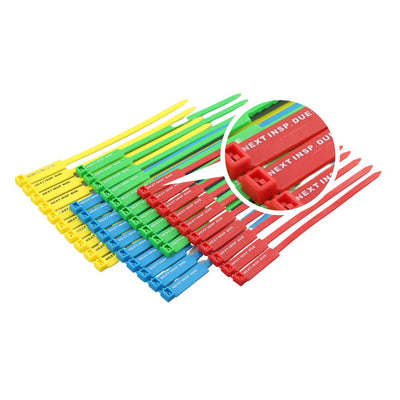
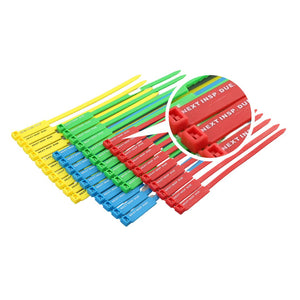
- Record it. Note the date, the rating and the next inspection due.
Rigging and inspection after fitting
Once the point is on, use it with rated slings and shackles only. Do not stack hardware to make up a length, and do not use the point for a sideways pull it was not built for.
Inspect the weld and the fitting before each major lift, and at the interval your site procedure sets. Look for cracks in the weld, distortion in the eye and wear on the bearing surface. If you find any of these, take the point out of service.
Keeping the inspection date and certificate with the gear makes the next check quicker for the crew.
Need the right fitting?
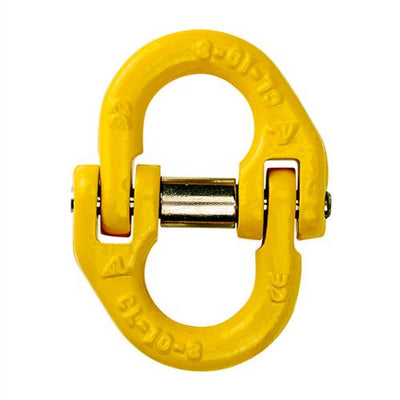
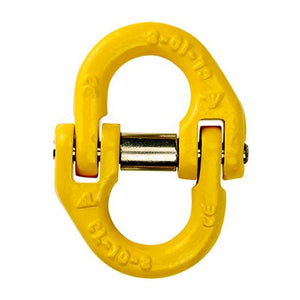
We stock Grade 80 weld-on lifting points, along with Grade 80 chain connectors and rigging hardware. Australia-wide delivery is available, and you can collect from our Sydney warehouse with click & collect.
If you are not sure which fitting suits your load and steel, talk to our team before you order. Getting the size right first saves a re-fit later.